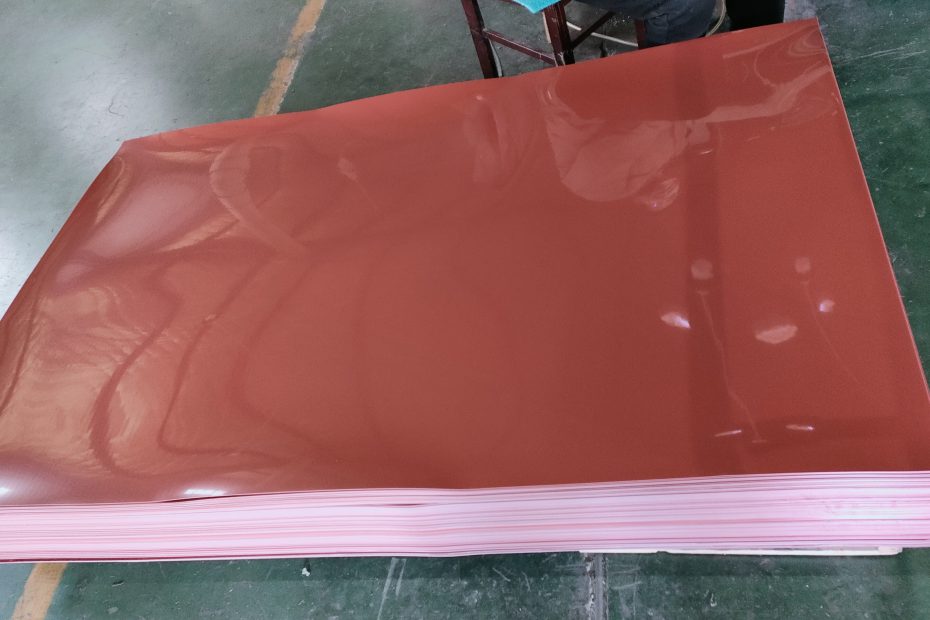
In the modern steel and metallurgical industry, steel coils—including stainless steel coils, cold-rolled coils, hot-rolled coils, and galvanized steel coils—must withstand numerous challenges during storage and long-distance transportation. Mechanical impacts, moisture exposure, corrosion risks, and stacking pressure can all damage coil surfaces and edges, leading to quality defects, customer complaints, and financial losses.
To address these challenges, manufacturers increasingly rely on PE Steel Coil Lateral-protection Plate and HDPE Skin Protection Sheet. These advanced packaging materials provide reliable protection throughout the entire logistics chain, from production and warehousing to transportation and final delivery.
Are PE Steel Coil Lateral-protection Plate and HDPE Skin Protection Sheet classified as steel coil packaging materials?
The answer is yes.
PE Steel Coil Lateral-protection Plate and plastic HDPE Skin Protection Sheet are important components of modern steel coil packaging systems. More importantly, they have become environmentally friendly alternatives to traditional wood, paperboard, and steel protective boards.
Manufacturers typically produce these products from High-Density Polyethylene (HDPE) and other engineered polymer materials through extrusion, cutting, and precision forming processes. Their primary purpose is to protect steel coils from physical damage, moisture intrusion, and environmental exposure during handling and transportation.
Their primary purpose is to protect steel coils throughout the entire “production–storage–transportation–delivery” process while minimizing packaging-related costs and maintenance issues.
Understanding The Different Functions Of Two Packaging Materials
Although companies often use PE Steel Coil Lateral-protection Plate and HDPE Skin Protection Sheet together, each product serves a distinct purpose and protects different areas of the steel coil.
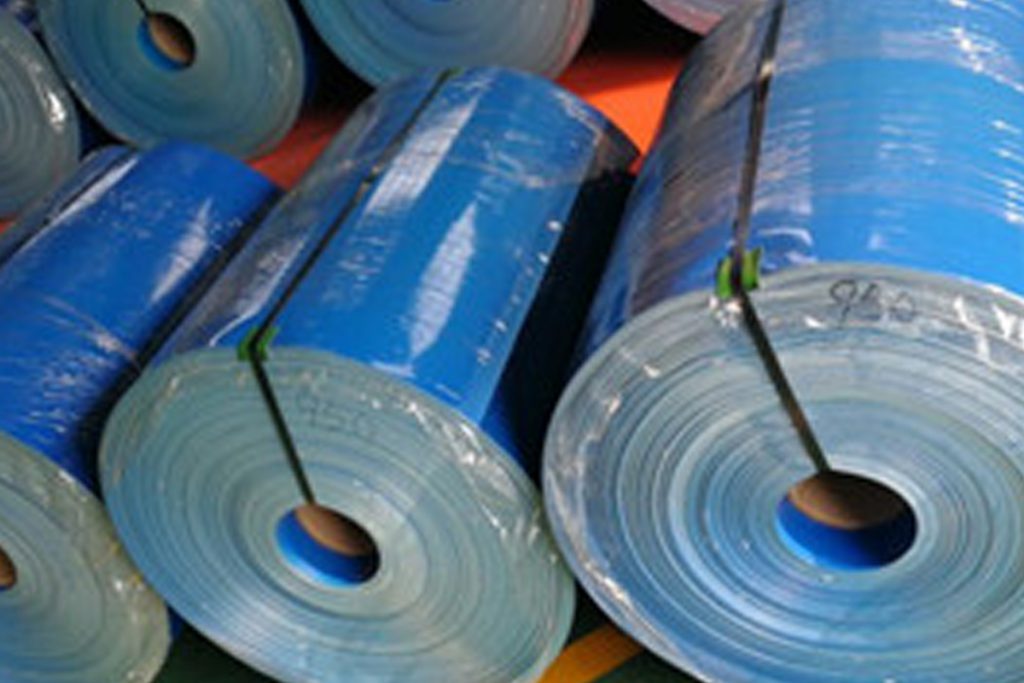
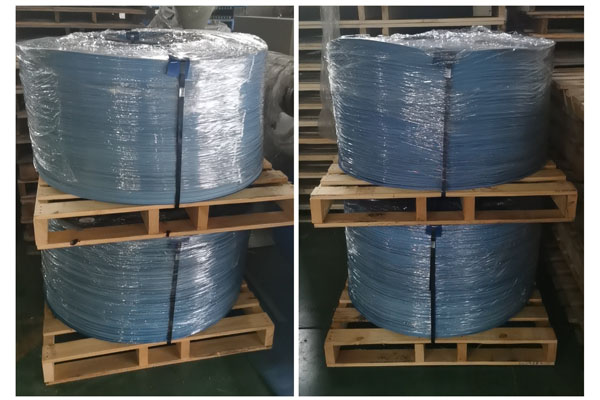
Plastic side protection boards primarily safeguard the coil ends, while PE packaging boards mainly protect the outer circumference and provide general surface protection.
Together, they create a complete packaging solution that significantly reduces the risk of product damage during logistics operations.
PE Steel Coil Lateral-protection Plate: Specialized End-Face Protection
PE Steel Coil Lateral-protection Plate typically feature a circular ring design that fits securely around both ends of a steel coil. Their main function is to protect the coil’s end faces from damage during lifting, stacking, loading, unloading, and transportation.
Precision Manufacturing Prevents Surface Damage
Manufacturers use high-quality HDPE resin and automated die-cutting technology to produce side protection boards with smooth edges and burr-free surfaces. This precision manufacturing process minimizes dimensional deviations, often maintaining tolerances within ±0.5 mm.
As a result, the protective boards prevent scratches, coating damage, and surface defects that traditional protective materials may cause.
Excellent Mechanical and Environmental Resistance
Plastic side protection boards offer outstanding:
- Weather resistance
- Compression resistance
- Impact resistance
- Low-temperature resistance (down to approximately -30°C)
- High-temperature stability
These properties allow the boards to maintain their structural integrity in harsh environments while effectively preventing deformation and damage to steel coil end faces.
HDPE Skin Protection Sheet: Comprehensive Circumferential Protection
While side protection boards focus primarily on end-face protection, HDPE Skin Protection Sheet serve as the primary protective layer for the coil body and external surfaces.
Companies often wrap these boards around the circumference of steel coils or use them as flat protective sheets for additional coverage.
As a result, HDPE Skin Protection Sheet act as a protective armor that shields steel coils from external impacts and environmental hazards.
Superior Physical Performance
HDPE Skin Protection Sheet feature smooth and flat surfaces while delivering an excellent combination of impact resistance, wear resistance, chemical resistance, and self-lubricating properties.
Their key advantages include:
- High impact resistance
- Strong abrasion resistance
- Excellent chemical resistance
- Acid and alkali resistance
- Self-lubricating characteristics
These properties allow the boards to absorb external impact energy and reduce the risk of scratches, dents, and deformation caused by collisions, vibration, or stacking pressure.
Outstanding Moisture and Corrosion Protection
One of the most important advantages of HDPE Skin Protection Sheet is their excellent moisture resistance.
Unlike paperboard and wood-based packaging materials, HDPE Skin Protection Sheet do not absorb water or retain moisture. Therefore, they effectively isolate steel coils from humid environments and reduce the likelihood of rust formation.
During long-distance transportation, especially in cold or high-humidity conditions, PE packaging boards consistently deliver a higher packaging integrity rate than many traditional packaging materials.
Cost-Effective and Environmentally Friendly
In addition to providing reliable protection, PE packaging boards help companies reduce overall packaging costs.
Compared with steel protective materials, they generally offer:
- Lower material costs
- Reduced transportation expenses due to lighter weight
- Easier handling and installation
- Lower labor intensity for workers
Furthermore, manufacturers can recycle many HDPE-based packaging products, supporting sustainability initiatives and helping companies meet increasingly stringent environmental requirements.
Why Plastic Packaging Materials Are Replacing Traditional Protective Materials
The steel industry continues to raise its standards for product quality, transportation safety, and environmental responsibility. As a result, traditional packaging materials such as wood, paperboard, and steel protectors can no longer satisfy all modern packaging requirements.
| Performance Factor | PE Steel Coil Lateral-protection Plate & HDPE Skin Protection Sheet | Traditional Materials |
| Moisture Resistance | Excellent | Moderate to Poor |
| Corrosion Protection | Excellent | Limited |
| Impact Resistance | Excellent | Moderate |
| Weight | Lightweight | Relatively Heavy |
| Surface Safety | Smooth, Burr-Free | May Have Burrs or Sharp Edges |
| Environmental Performance | Recyclable | Often Less Sustainable |
| Cost Efficiency | High | Varies |
Conclusion
Plastic side protection boards and PE packaging boards have become indispensable components of modern steel coil packaging systems. While plastic side protection boards focus on protecting coil end faces, PE packaging boards provide comprehensive circumferential and surface protection.
By combining superior impact resistance, moisture protection, corrosion prevention, lightweight construction, and environmental sustainability, these materials help steel manufacturers reduce product damage, improve logistics efficiency, and lower packaging costs.