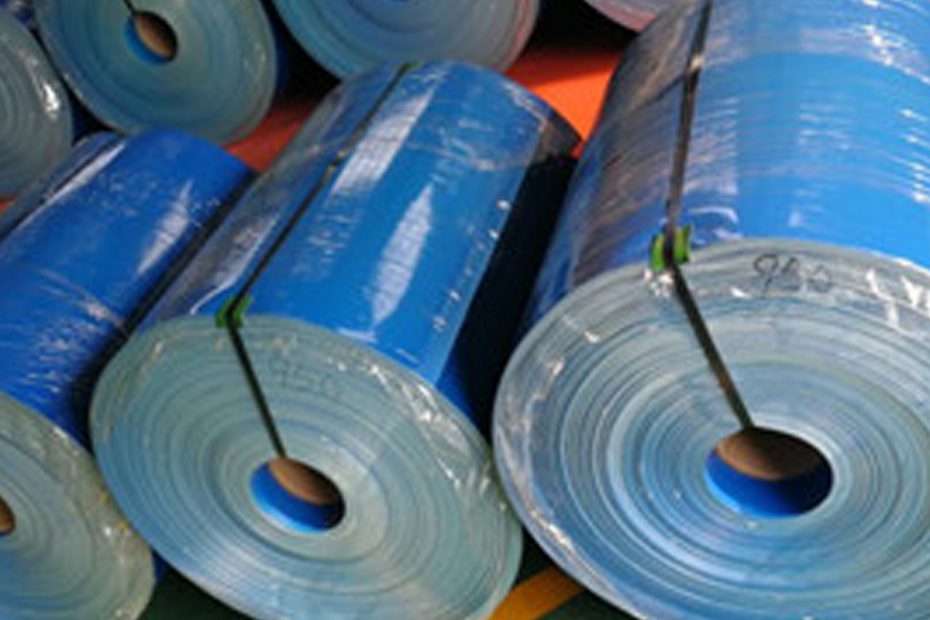
PE end-plate production equipment focuses primarily on polymer processing, while hydraulic forging hammers specialize in heavy metal forming. At first glance, these technologies seem to belong to completely different manufacturing sectors. However, modern manufacturing rarely develops in isolation. Instead, industries increasingly integrate different technologies to build more efficient and reliable production systems.
PE (polyethylene) end plates play an essential role in industrial packaging, protection, and structural support. Manufacturers widely use them in applications such as Steel Coil Protection Board, pipe protection, logistics transportation, and the storage of heavy mechanical components. Because these products often involve heavy loads and demanding transportation environments, the end plates must maintain excellent dimensional stability, strong impact resistance, and reliable structural performance.
To meet these requirements, manufacturers rely on specialized PE end-plate production equipment that processes polyethylene materials with high accuracy and efficiency. At the same time, hydraulic forging hammers produce many of the metal components that form the structural framework of these machines. Therefore, although PE end-plate production equipment directly processes plastic materials, hydraulic forging hammers indirectly strengthen the performance, durability, and long-term operational stability of the entire production system.
What Is PE End Plate Production Equipment?
PE end-plate production equipment refers to specialized machinery designed to manufacture polyethylene protective plates used in industrial packaging and support applications. Manufacturers use these plates to protect steel coils, pipes, and other heavy products during storage, handling, and transportation.
In practical production environments, manufacturers form PE end plates through several polymer processing methods. Common techniques include extrusion molding, compression molding, and thermoforming. Each process shapes polyethylene materials into flat, circular, or customized plates that match the specific requirements of different industrial products.
A typical production line integrates multiple systems that operate together to maintain stable output and consistent product quality.
To ensure smooth and continuous operation, every mechanical component in the equipment must maintain high structural precision. Machine frames, pressing mechanisms, guide rails, rotating shafts, and load-bearing assemblies must withstand constant mechanical stress during long production cycles. Consequently, equipment manufacturers carefully select strong and reliable metal components when designing and constructing these machines.
This requirement naturally highlights the importance of hydraulic forging technology in equipment manufacturing.
The Role of Hydraulic Forging Hammers in Industrial Manufacturing
Hydraulic forging hammers function as powerful metal-forming machines that shape heated metal through controlled hydraulic impact. Compared with traditional mechanical forging hammers, hydraulic systems provide more precise control over strike force, deformation speed, and energy output. As a result, operators achieve better forming accuracy and improved material performance.
Manufacturers across many industrial sectors rely on hydraulic forging hammers to produce key mechanical components such as shafts, hammer heads, connecting rods, machine frames, and heavy-duty tooling bases. During the forging process, powerful compressive forces reshape the metal while simultaneously refining its internal grain structure. At the same time, forging eliminates internal defects such as voids or micro-cracks that may weaken the material.
Consequently, forged components demonstrate higher strength, improved toughness, and greater fatigue resistance than cast or conventionally machined parts.
Moreover, forging significantly improves structural integrity and extends equipment service life. This advantage becomes particularly important for machinery involved in continuous polymer processing, including PE end-plate production lines.
Structural Components in PE End Plate Production Equipment
Modern PE end-plate production machines contain numerous metal components that must maintain high strength, precise alignment, and long-term durability. During equipment manufacturing, engineers often choose forged steel parts because these components offer excellent mechanical properties and consistent structural performance.
Forging technology supports the production of several key components used in PE end-plate machinery. For example:
- Forged steel frames provide strong structural support and maintain the overall rigidity of the machine.
- Forged shafts drive rotating mechanisms in extrusion systems and automated cutting units.
- Forged connecting rods transmit mechanical force within hydraulic pressing assemblies.
- Forged guide components maintain precise alignment during plate forming operations.
- Forged tooling bases support molds that shape polyethylene plates during the forming process.
By supplying these essential components, hydraulic forging hammers indirectly reinforce the entire production system. Forged parts reduce vibration, improve mechanical stability, and extend maintenance intervals.
Mechanical Reliability and Long-Term Operation
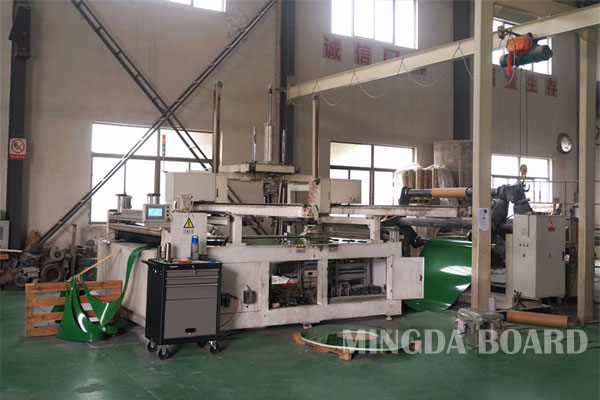
PE end-plate production equipment typically operates in continuous manufacturing environments where machines run for extended periods. During operation, extrusion systems heat and soften polyethylene materials, while pressing mechanisms shape the softened material into flat plates. Meanwhile, conveyor systems transport the finished plates to cooling stations and cutting units for final processing.
Because these operations repeat continuously, machine structures and motion components experience constant mechanical stress. Over time, weak components may deform, wear out, or even fail completely. Such failures not only interrupt production but also increase maintenance costs.
Forged metal components effectively solve this problem. During forging, intense compressive forces compact the metal and refine its internal structure. This process removes microscopic cavities and strengthens the material.
As a result, forged components demonstrate higher impact resistance and superior fatigue performance. Hydraulic forging hammers produce these components with stable quality and controlled deformation. Consequently, PE end-plate production equipment benefits from improved durability, fewer mechanical failures, and reduced operational downtime.
Conclusion
Although PE end-plate production equipment directly processes polyethylene materials, it still relies heavily on strong and reliable metal structures for stable operation. Hydraulic forging hammers support this equipment by producing high-strength forged components that form the mechanical foundation of these machines.
As manufacturing technologies continue to evolve and integrate across industries, the connection between polymer processing equipment and heavy forging machinery will become increasingly important. Ultimately, hydraulic forging hammers play a quiet yet essential role in supporting the efficient production of PE end plates and many other industrial materials used throughout modern manufacturing.